Over the past two decades, Turkey-Somalia relations have evolved into one of the most profound and multifaceted strategic partnerships in the Horn of Africa and beyond. Turkey has delivered more than $1 billion in humanitarian aid, implemented over 500 development projects—including hospitals, schools, roads, and essential infrastructure that have helped rebuild Mogadishu
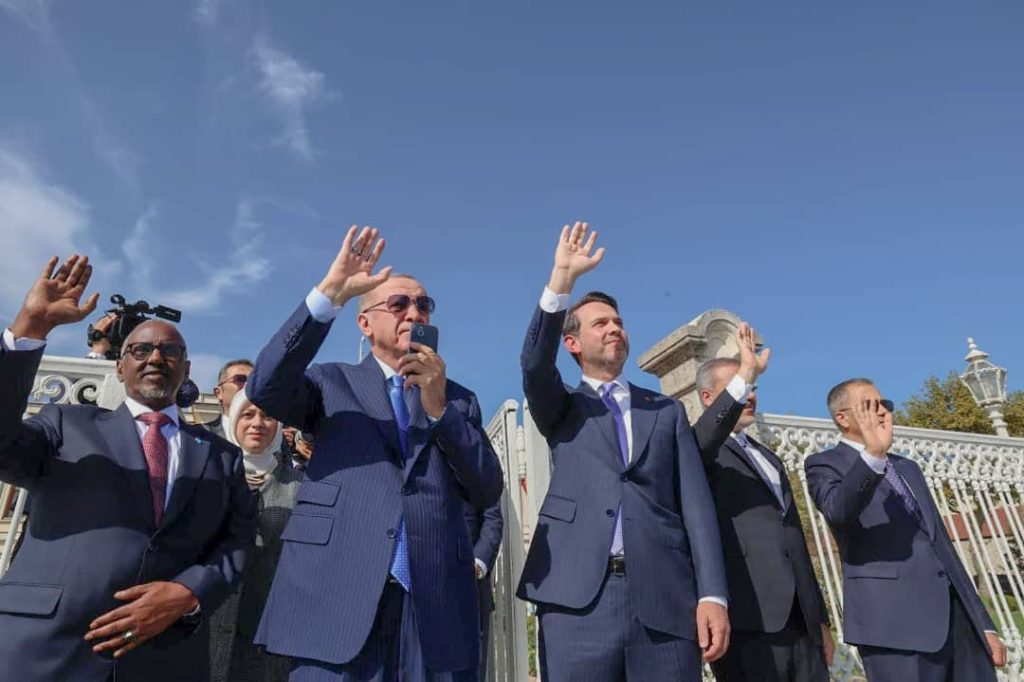 —and established its largest overseas military base, Camp TURKSOM, in 2017 to train thousands of Somali soldiers in the fight against Al-Shabaab.
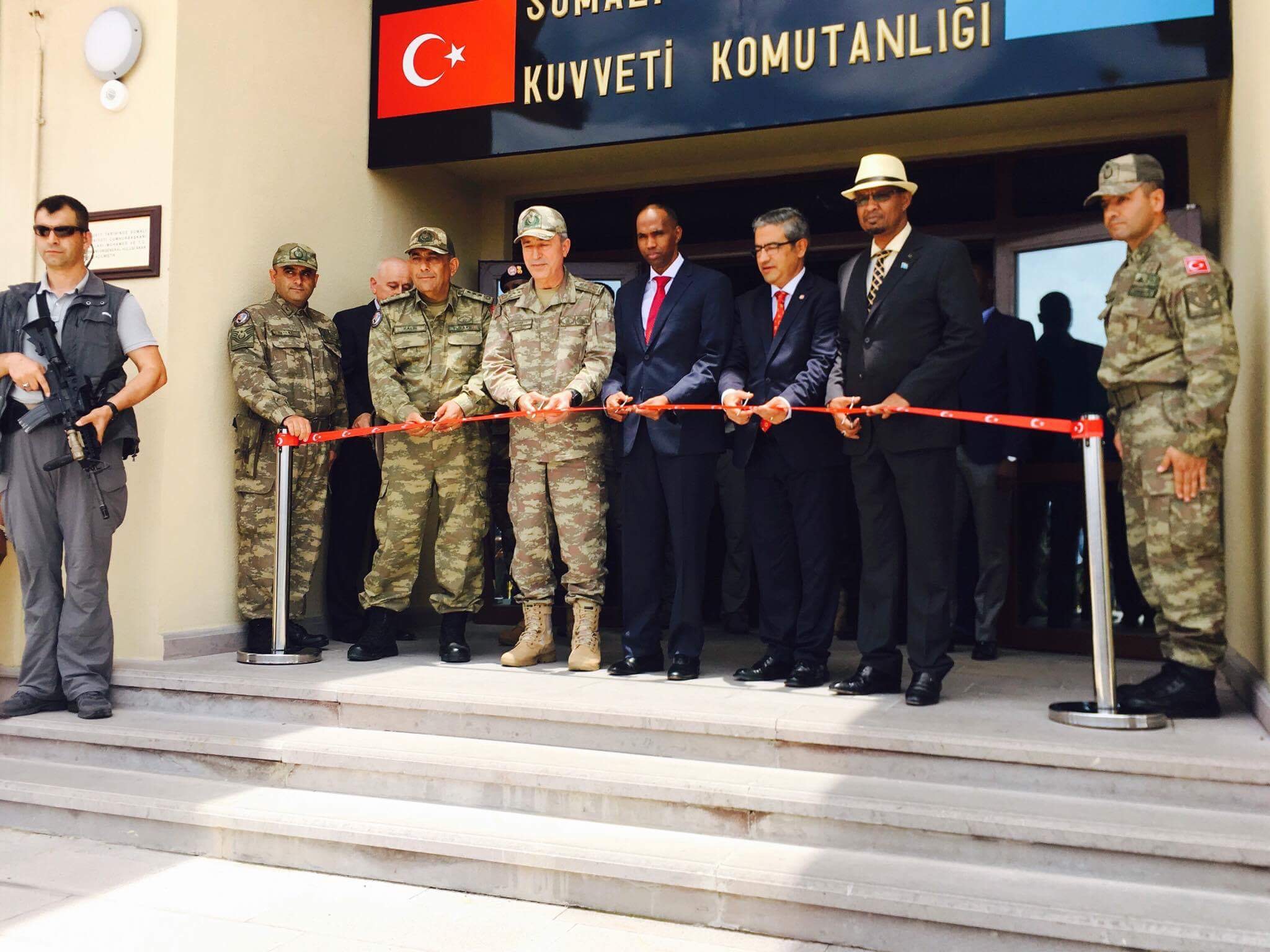
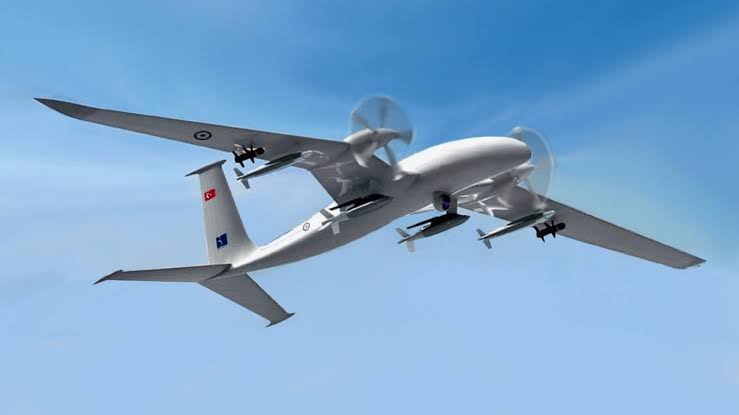
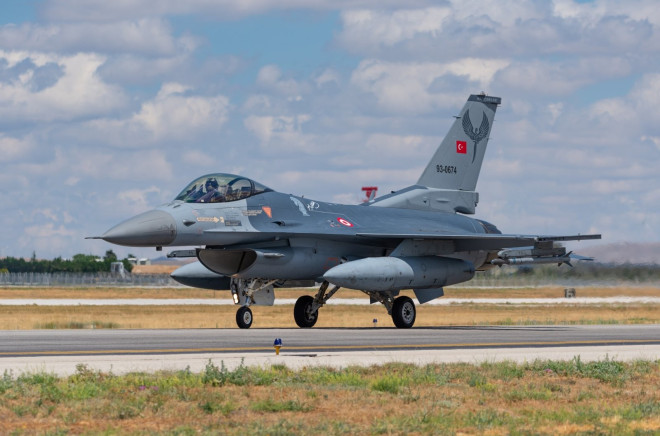
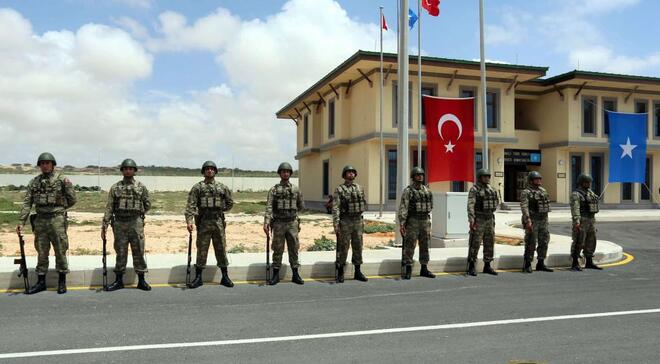 This cooperation has deepened dramatically in recent years: advanced Bayraktar TB2 drones, Akinci, attack helicopters, utility helicopters, air defence systems and, as of early 2026, the forward deployment of Turkish Air Force F-16 fighter jets to Mogadishu’s Aden Adde International Airport have significantly bolstered Somalia’s security capabilities. A landmark 2024 Defence and Economic Cooperation Framework Agreement has paved the way for Turkey to build Somalia’s navy from the ground up, while joint hydrocarbon exploration—marked by the deployment of the Turkish drilling vessel Çağrı Bey to Somali waters in February 2026—sets the stage for oil and gas production starting this year.
 Ambitious initiatives like the planned spaceport in Somalia promise breakthroughs in defense, technology sharing, satellite capabilities, and global positioning for both nations. The success of these projects would mean Somalia finally breaking free from its troubled past and looking to the future with genuine hope.
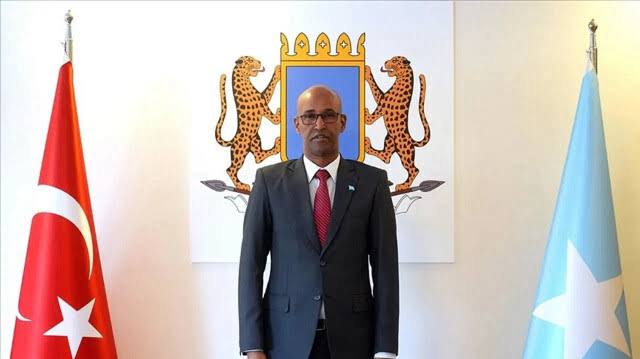
It is precisely within this high-stakes, deeply intertwined alliance that a growing array of allegations surrounding Somalia’s Ambassador to Turkey, Fathudin Ali Mohamed, has sparked serious concern among Somali diaspora communities, diplomatic observers, and those closely following Turkey-Somalia ties. Their scope—encompassing consular fees, diplomatic privileges, financial transfers, and possible connections to individuals under international sanctions—has intensified calls for transparency and formal clarification from relevant authorities.
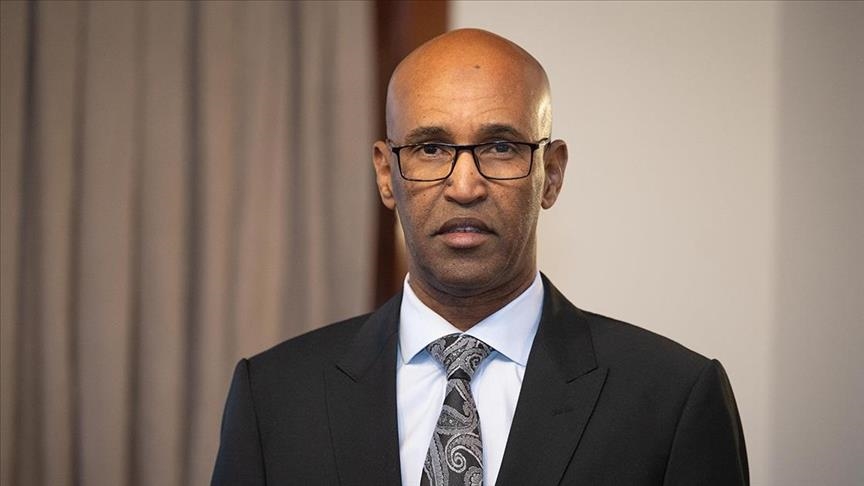 According to various diaspora sources, Ambassador Fathudinreportedly had no prior state or diplomatic experience before his appointment. Some portray him as a businessman with a history of failed ventures, suggesting that clan affiliations may have played a role in his selection for the Ankara post.
One of the later effect of confronting this reality was that it shifted his focus toward countries under his authority, particularly Azerbaijan and several other Central Asian nations. In other words, he began directing his main efforts toward seeing if he could extract some personal gain from those places. As a result, he has been spending considerable time in these countries. However, reports suggest that his ventures there have not gone particularly well so far. Among the claims is that his involvement with mafia-like figures in Azerbaijan prompted the Somali president to urgently appoint a new ambassador to Azerbaijan, effectively removing it from Fathudin Ali Mohamed Ospite’s control.
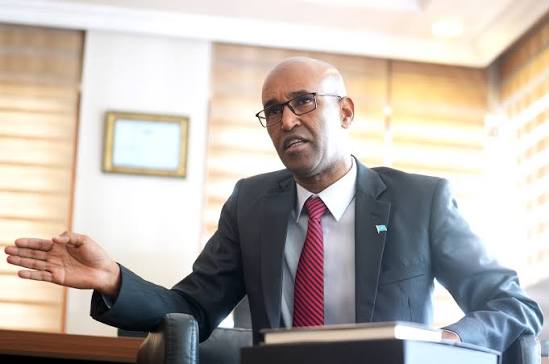
Upon arriving in Ankara, sources allege that the ambassador anticipated substantial financial influence stemming from the rapidly expanding political, military, and economic bonds between the two countries. Instead, he is said to have encountered a relatively modest embassy operation, with salaries and even rent reportedly covered largely through Turkish assistance. Critics claim this realization prompted efforts to establish alternative revenue streams.
Shortly after taking office, passport renewal fees for Somali nationals in Turkey were allegedly raised significantly. Previous administrations reportedly maintained the Ankara mission as largely self-sustaining, yet no public official explanation has been offered for the fee increases.
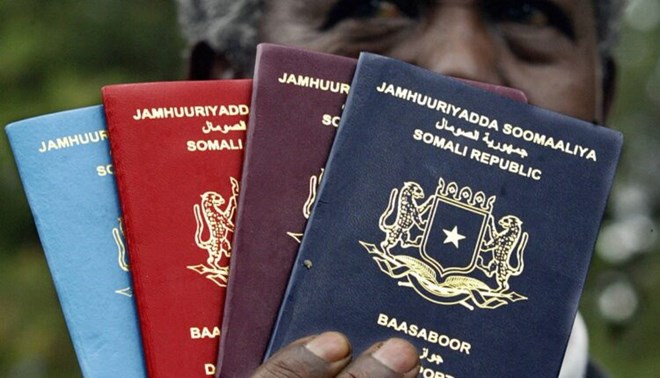
The fee increase for Somali passport renewals in Ankara has sparked significant anger among Somalis living in Turkey. It is now reportedly one of the most expensive Somali passport renewal processes anywhere in the world. Many in the community perceive the ambassador as treating the embassy like a personal business to finance their own interests.
This frustration comes largely from the fact that previous administrations reportedly kept the Ankara mission largely self-sustaining through normal consular fees, without such dramatic hikes. The lack of any public or official explanation from the Somali Embassy or Ministry of Foreign Affairs for why the fees were raised so sharply has only made people more upset and suspicious.
Another claim involves Somali nationals who overstayed their visas in Turkey allegedly being charged $60 for emergency return documents, which are typically expected to be issued free of charge as per standard consular practices. Sources indicate that the issue escalated significantly: the matter reportedly led to a direct confrontation between the ambassador and the head of Somalia’s Immigration and Citizenship Agency (ICA), Mustafa Sheikh Ali Dhuhulow (also referred to as Mustafe Sheikh Cali Dhuxulow or Mustafa Dhuhulow), who serves as the Director General of the agency. According to these accounts, the ICA director strongly objected to the practice and brought the complaint directly to President Hassan Sheikh Mohamud’sattention. The president is said to have personally called Ambassador Fathudin Ali Mohamed to reprimand him, reportedly stating words to the effect of: “How can you charge our own citizens money to return to their own country? Aren’t you ashamed?” This alleged phone call highlighted deep frustration at the highest levels of government over the treatment of Somali nationals abroad. This incident adds another layer to the broader scrutiny facing the Ankara embassy, amid ongoing questions about consular fee practices and their alignment with Somalia’s commitment to protecting its citizens overseas.
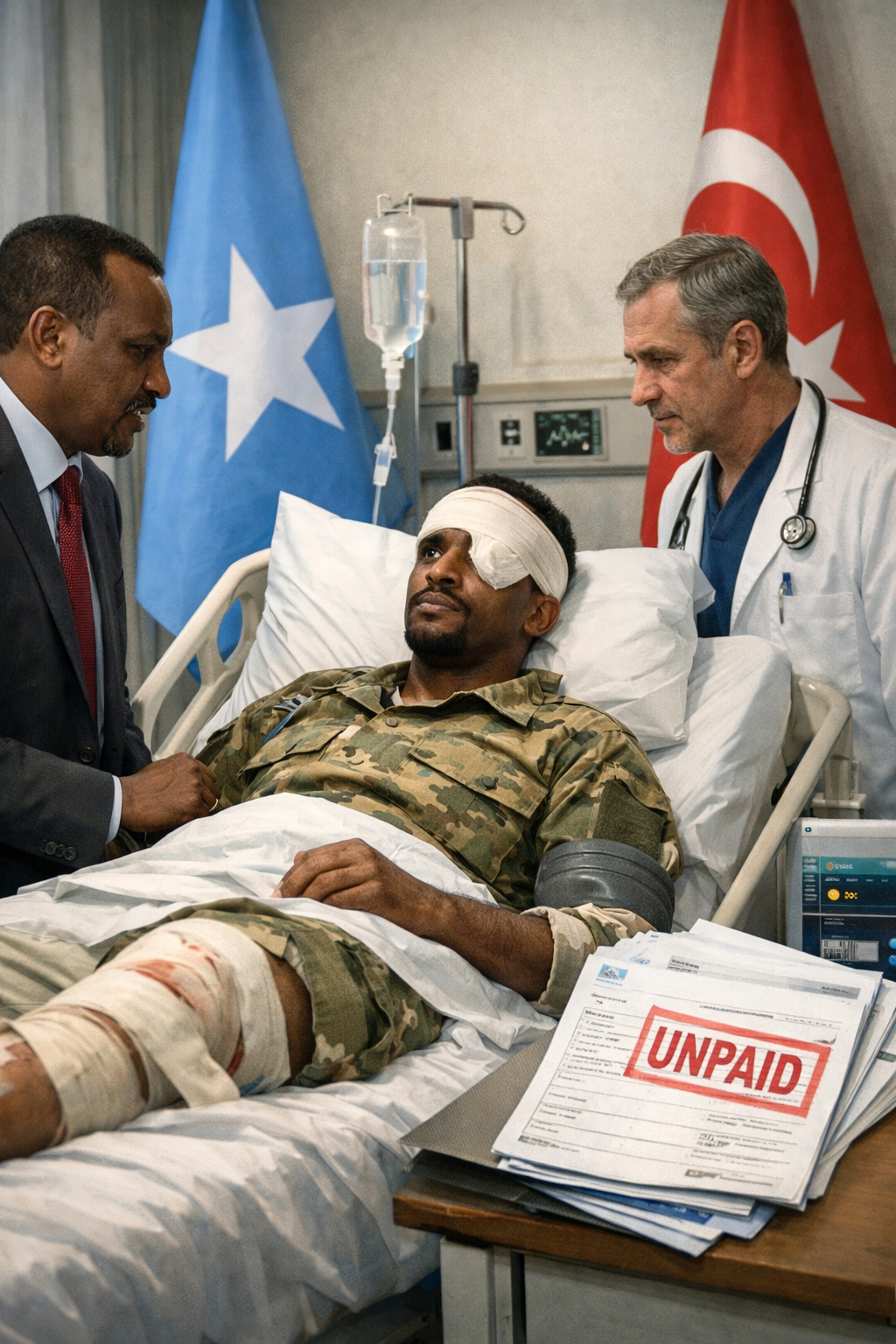 A separate allegation concerns medical treatment for a wounded Somali soldier evacuated to Istanbul under prime ministerial guarantee. Reports suggest that treatment payments were delayed or went unpaid, prompting the involved Turkish medical company to seek clarification and resolution from both Somali and Turkish officials. The company has not publicly elaborated on the specifics of the case. According to sources close to the prime ministerial level, the funds allocated for this treatment may have been provided to the embassy but were allegedly diverted and spent elsewhere instead of covering the medical bills. This claim fits into broader frustrations within the Somali community in Turkey regarding perceived mismanagement at the Ankara embassy.
According to sources familiar with the matter, the controversy escalated when Ambassador Fathudin Ali Mohamed reportedly contacted the Turkish company directly amid the payment dispute. In this alleged phone conversation, he is said to have made a highly inflammatory remark to the effect of: “If you want, throw the patient—the soldier who risked his life fighting for Somalia—into the trash”. This purported statement has been cited by critics as emblematic of a broader dismissive or callous attitude toward Somali citizens abroad, particularly those who have sacrificed for their country and found themselves in vulnerable situations while seeking care in Turkey. The alleged comment, if accurate, has fueled outrage in Somali diaspora communities and among observers, who view it as reflective of deeper issues in how the embassy handles citizen welfare and consular responsibilities.
Among the gravest accusations are those involving the alleged misuse of diplomatic privileges. Sources claim diplomatic vehicle privileges were informally transferred; a Range Rover bearing plate 06 CD 9648 is said to have been linked to Abdi Nasir Ali Mahamud, known as “Adoon,” who appears on U.S. Treasury sanctions lists. The vehicle is reportedly registeredunder Abdirahim Mohamud Mohamed, the chargé d’affaires at the Somali embassy in Ankara, who is said not to even know how to drive. It’s alleged that he provided his diplomatic privileges to Adoon to facilitate his business dealings, while the car remains registered in the embassy official’s name.
To provide further context on Abdi Nasir Ali Mahamud, also referred to as ‘Abd-al-Nasir ‘Ali Mahmud or simply “Adoon,” he is a Somali-origin businessman designated by the U.S. Department of the Treasury’s Office of Foreign Assets Control (OFAC) in June 2021 under Executive Order 13224, as amended, for his role in supporting terrorism-related activities. As the managing director of UAE-based Adoon General Trading FZE, Mahamud is accused of leveraging his companies to facilitate the transfer of millions of dollars on behalf of Sa’id al-Jamal, a key Houthi-affiliated financier backed by Iran’s Islamic Revolutionary Guard Corps (IRGC). This network allegedly supports Houthi aggression in Yemen by smuggling Iranian petroleum products, generating revenue through illicit trade, and evading international sanctions. Mahamud’s entities, including vessels like the Light Moon, have been identified as part of this operation, with sanctions extended to his Turkish and UAE-based firms in subsequent updates through 2025. He is describedin OFAC listings as holding Somali nationality, with aliases and business ties spanning the Middle East and Africa, though no direct judicial convictions are publicly noted beyond the sanctions designations.
Moreover, diplomatic accounts and immunity protections are alleged to have facilitated financial movements, with commissions of around $5,000-10,000 reportedly taken on certain cash transfers. These actions are said to have been carried out by the Somali ambassador, Fathudin Ali Mohamed (also referred to as Fathudin Ali Ospite), and the chargé d’affaires, Abdirahim Mohamud Mohamed, on behalf of Abdi Nasir Ali Mahamud, known as “Adoon.” They are accused of handling Adoon’s funds either through their own accounts or by transporting cash. This builds on the earlier claims of diplomatic privilege misuse, including the Range Rover (plate 06 CD 9648) registered under Abdirahim Mohamud Mohamed—who allegedly does not even know how to drive—being provided to facilitate Adoon’s dealings while remaining in the embassy official’s name.
As scrutiny reportedly increased on Somali-linked remittance networks in Turkey—amid closures of some channels—sources allege financial routes were redirected toward Iraq. Somalia’sAmbassador to Iraq, Ridwan Hirsi Mohamed, is claimed to have facilitated this alternative pathway, with his son, AbdirahmanHersi Rıdwan, later employed at the Somali Embassy in Ankara as part of purported reciprocal arrangements. Additional claims suggest funds tied to sanctioned individuals may have been moved or legitimized through diplomatic banking channels.
It is further alleged that two diplomats—Ibrahim Adow and Mohamed Mursal—who objected to certain practices were removed from the Ankara mission under varying administrative pretexts, with no formal explanation provided.
Addition those it is needed to remember that Fathudin Ali Mohammed first came to public attention through the renovation scandal at the Somali Embassy in Kenya, a project launched in 2015 and funded largely by contributions from the Somali diaspora in Nairobi. Fathudin defended the initiative as a transparent, community-led effort overseen by a trusted committee. However, former Ambassador Mahmoud Noor Tarsan rejected the legitimacy of the renovation, arguing that there was no officially sanctioned tender or binding government contract. Tarsan further alleged that Fathudin sought approval for an additional $200,000 payment without clear legal basis. The dispute escalated when the contracted construction firm filed a case in Kenyan courts, turning what began as a diaspora-backed renovation into a legal and diplomatic controversy. This episode marked the first major public scandal associated with Fathudin’s name and raised broader concerns about financial transparency and procedural compliance in Somalia’s overseas missions. In addition to the embassy renovation controversy, Fathudin later became the subject of a separate legal dispute in Kenya concerning a private property matter.